US–Iran Tensions Surge: War Threats, Diplomacy and Regional Risks
By Abrar Ahmad — Updated January 15, 2026
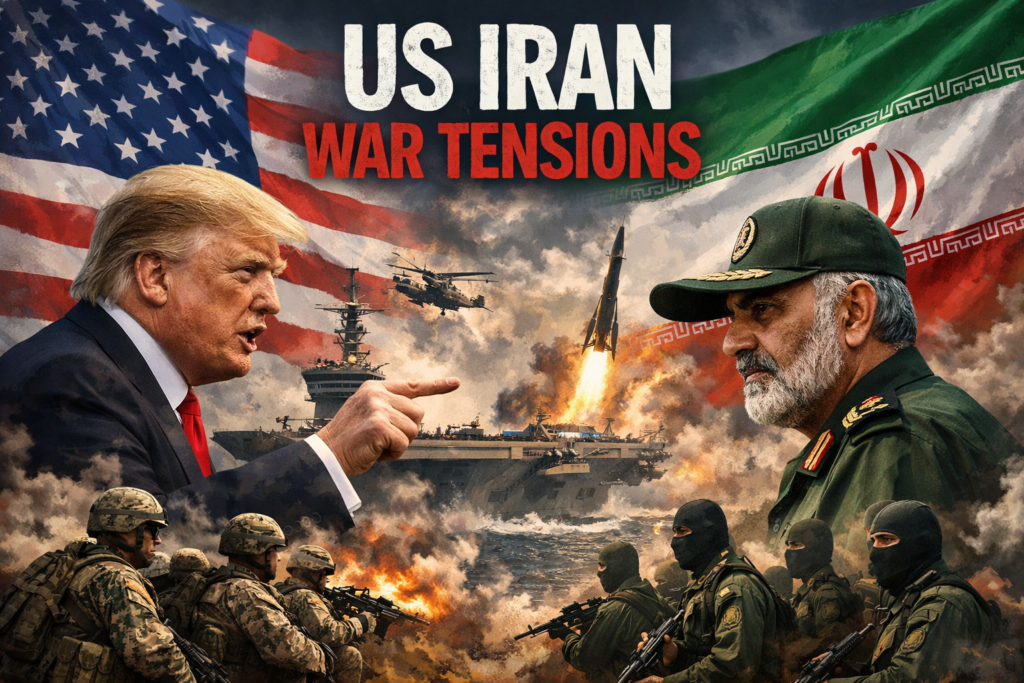
The current tensions between the US and Iran have reached a destructive peak with the United States weighing potential military action and Iran issuing clear warnings of retaliation if attacked — sparking fears of a new Middle Eastern confrontation. US Iran war narratives are spreading across global news, diplomatic channels and public discourse as both sides signal strength and restraint.
Latest on US–Iran Tensions (January 2026)


Financial Times


Why the US–Iran Rift Has Escalated
The standoff intensified after widespread protests erupted across Iran in late December 2025, triggered by economic hardship and government repression. Iranian security forces’ harsh response drew international criticism and prompted the US to threaten punitive measures, including military options, if violence continues.
In response, Tehran has warned that any US attack would be met with robust retaliation against American interests and bases in the region, raising the spectre of an open US Iran war.
Recent developments include:
-
US Withdrawal of Some Military Personnel: Washington has reportedly pulled some troops from regional bases, indicating preparation for potential escalation.
-
Iran’s Strategic Preparations: Iran’s leadership says it is ready for all options and has strengthened military preparedness.
-
Regional Diplomacy and Pressure: Arab governments and external powers have urged restraint and signalled de-escalation, though tensions remain.
-
Economic and Shipping Impacts: Commercial vessels are anchoring outside Iranian ports as fears of conflict disrupt regional stability.
US Actions and Policy Signals
The US continues to apply a mix of pressure and caution:
Sanctions and Diplomatic Measures
Washington recently imposed new sanctions on Iranian officials and entities linked to rights abuses and repression, reinforcing the maximum pressure approach aimed at constraining Tehran’s influence and coercion tactics.
Military Posture
The Pentagon has shifted a carrier strike group toward the Middle East, reflecting heightened alertness amid the standoff.
Trump Administration Statements
President Donald Trump has publicly claimed that killings inside Iran may be subsiding and has indicated that military action is not imminently decided — yet he also left open the possibility of forceful intervention if conditions worsen.
Iran’s Response and Regional Stance
Iran has taken a firm and defiant stance. Key elements include:
-
Direct Warnings: Iranian officials have explicitly stated that US military action would trigger counter-attacks on American bases.
-
Domestic Impact: The tension has heightened fear among Iranian citizens, with some fleeing and communication networks disrupted, signaling broader social stress.
-
Strategic Planning: Tehran appears to be preparing military strategies should conflict break out.
Neighboring Gulf states, including Saudi Arabia, Qatar and Oman, have urged Washington to avoid military strikes, warning of severe economic and security fallout from a conflict.
International and Public Opinion Trends
In the US, public sentiment appears largely skeptical of war. Polls indicate a majority of Americans oppose military involvement in Iran, questioning the sustainability of unilateral action without broad support. (Recent polling has shown significant opposition across political lines.)
Global actors like China and Turkey have also urged diplomacy and opposed the use of force, stressing political solutions.
What Happens Next?
Analysts say the situation could unfold in several ways:
-
Diplomatic De-escalation: Continued back-channel talks or multilateral pressure could reduce the chance of conflict.
-
Escalation to Limited Strikes: The US may choose a targeted military response if Iran’s internal crackdown intensifies further.
-
Full-Scale Regional War: The worst outcome — a broader confrontation involving regional actors — remains a risk if hostilities escalate.
Experts warn that even limited conflict between Iran and US could disrupt global oil markets, exacerbate regional instability and complicate US relations with allies. The world watches as both capitals weigh power and restraint.